Deadwood Removal in San Jose, CA
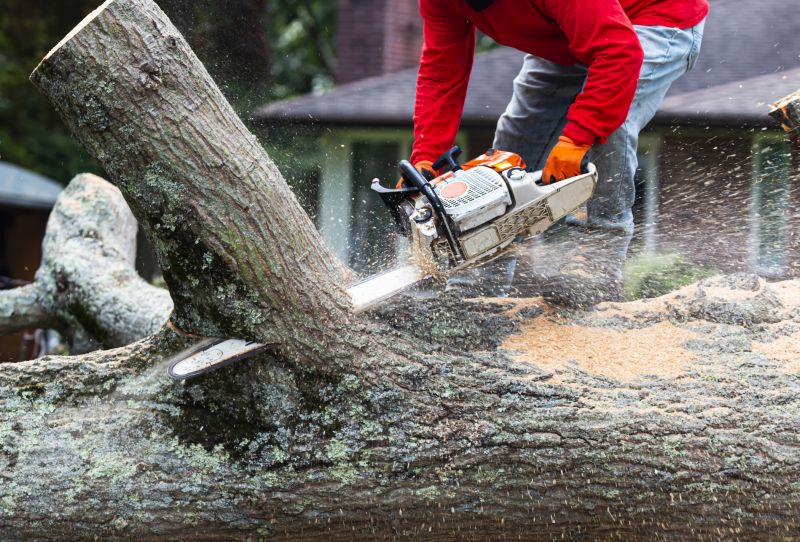
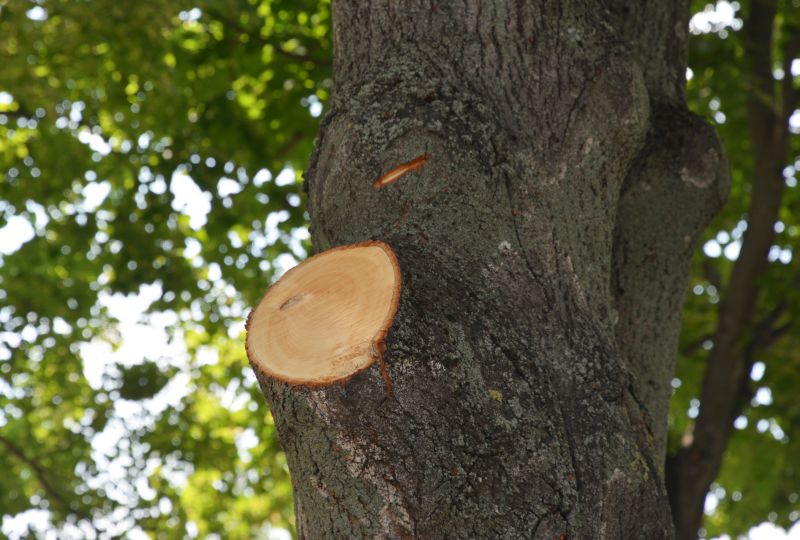
Deadwood removal services involve the safe and efficient removal of dead, dying, or hazardous trees and branches from residential properties. These projects typically include removing fallen or damaged trees, trimming overgrown branches, and clearing debris that could pose safety risks or obstruct views. Homeowners often seek this service to maintain the health and appearance of their landscape, prevent potential property damage, or address safety concerns related to unstable or diseased trees.
Before requesting deadwood removal, property owners should consider the size and location of the trees or branches involved, as well as any specific safety or access issues. It is helpful to understand the extent of the work needed, such as whether partial trimming or complete removal is required, and to identify any nearby structures or utilities that might influence the process. Clear communication about these details can help ensure the project is completed efficiently and safely.
Many property owners in San Jose, CA look into Deadwood Removal for repairs, replacements, upgrades, and appearance-related improvements.
Types Of Deadwood Removal
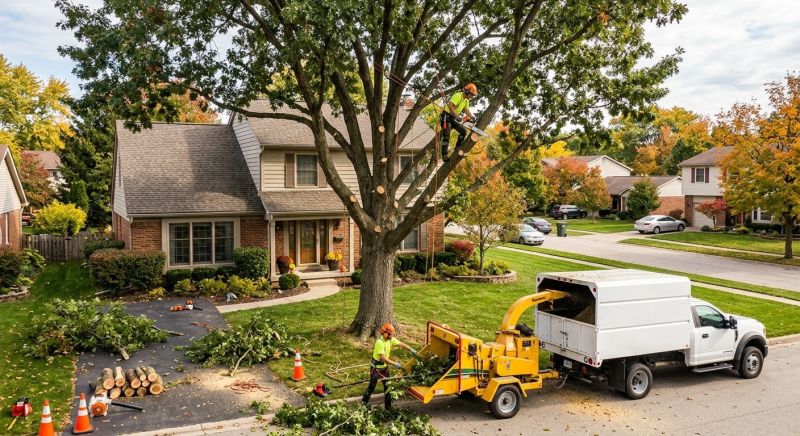
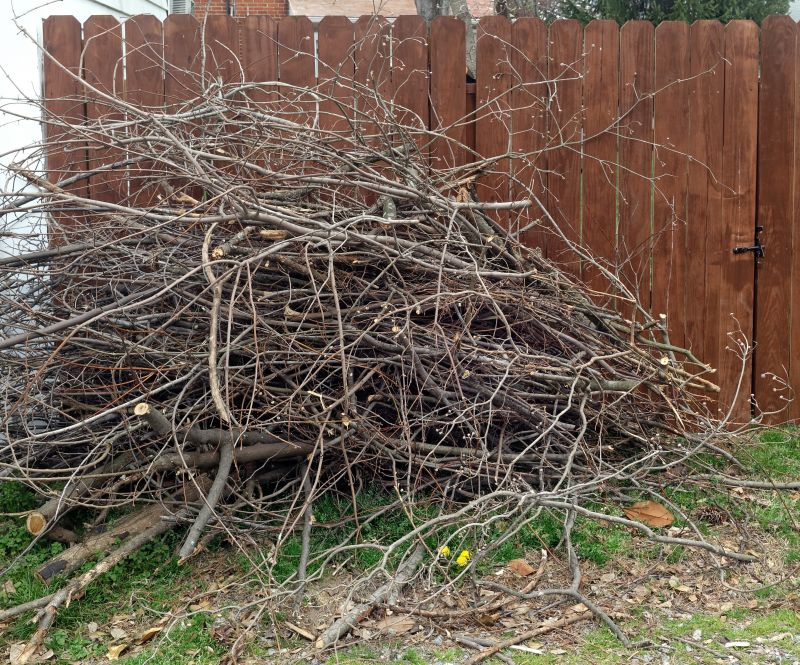
Services include pruning, thinning, and complete removal of hazardous or unwanted dead trees.
Safety And Property Protection
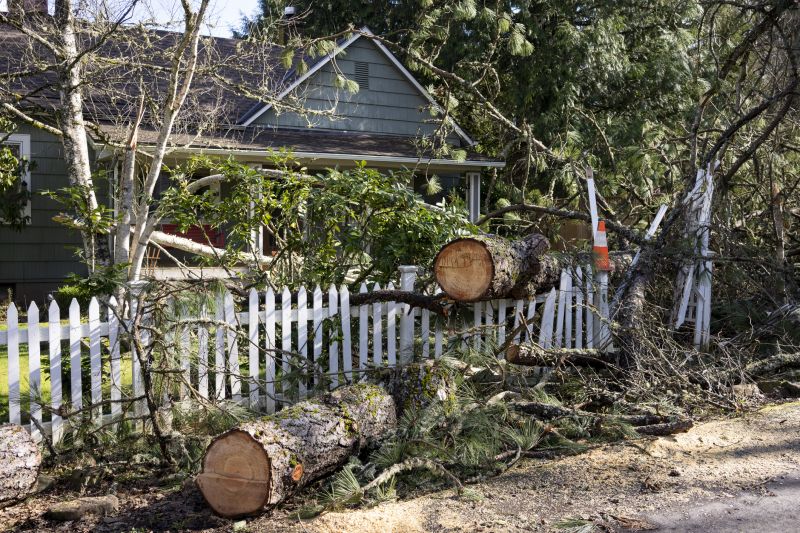
Proper deadwood removal helps prevent falling branches and minimizes potential damage to structures and landscapes.
Benefits Of Deadwood Management
Removing dead trees enhances overall property safety, aesthetic appeal, and tree health in san jose neighborhoods.
Deadwood Removal in San Jose, CA
Deadwood removal services involve the safe and efficient removal of dead, dying, or hazardous trees and branches from residential properties. These projects typically include removing fallen or damaged trees, trimming overgrown branches, and clearing debris that could pose safety risks or obstruct views. Homeowners often seek this service to maintain the health and appearance of their landscape, prevent potential property damage, or address safety concerns related to unstable or diseased trees.
Before requesting deadwood removal, property owners should consider the size and location of the trees or branches involved, as well as any specific safety or access issues. It is helpful to understand the extent of the work needed, such as whether partial trimming or complete removal is required, and to identify any nearby structures or utilities that might influence the process. Clear communication about these details can help ensure the project is completed efficiently and safely.
Many property owners in San Jose, CA look into Deadwood Removal for repairs, replacements, upgrades, and appearance-related improvements.
Common Deadwood Removal Jobs
Deadwood Removal - Clearing dead or diseased trees to improve landscape health and safety.
Storm Damage Cleanup - Removing fallen branches and trees after storms to prevent property damage.
Overgrown Tree Clearing - Trimming and removing trees that obstruct views or interfere with structures.
Safety Hazard Removal - Eliminating dead or unstable trees that pose risks to people and property.
Tree Stump Removal - Extracting tree stumps to prepare for landscaping or new planting projects.
Emergency Tree Removal - Responding to urgent situations involving hazardous or fallen trees.
Deadwood Removal Questions
What types of dead trees can be removed? Dead or dying trees of various sizes and species can be safely removed to prevent hazards and property damage.
Is deadwood removal necessary for safety? Removing deadwood reduces the risk of falling branches or trees, enhancing overall safety on the property.
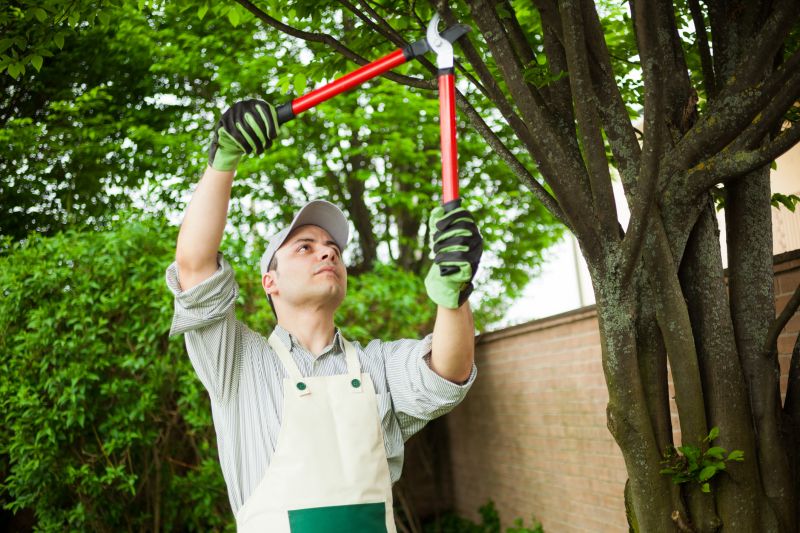
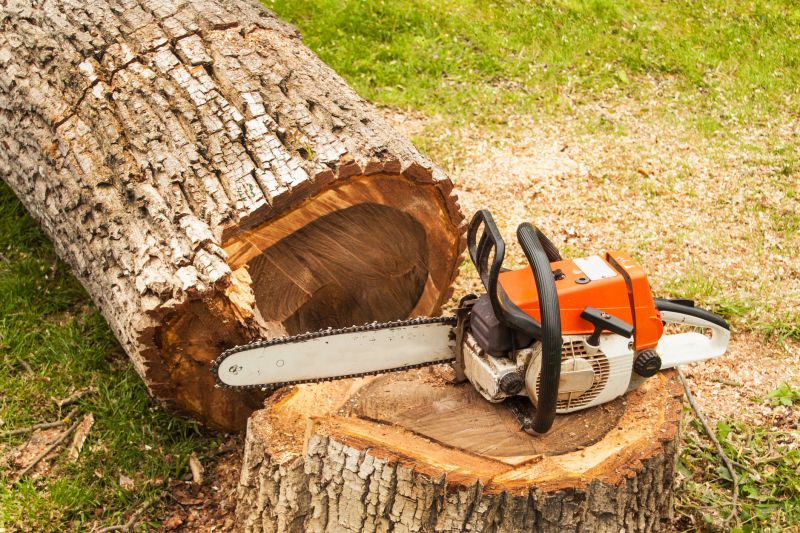
What equipment is used for deadwood removal? Specialized tools such as chainsaws, cranes, and rigging equipment are used to safely remove dead trees and branches.
When should deadwood removal be scheduled? Deadwood removal is typically performed when dead or hazardous trees are identified to prevent potential damage or injury.
Request Deadwood Removal in San Jose, CA
Use the quote form on this page to share the basics of your project and request more information for the type of work you need.